The Mulu bat exodus: a million wings at dusk
By Daniel Lim2 min read
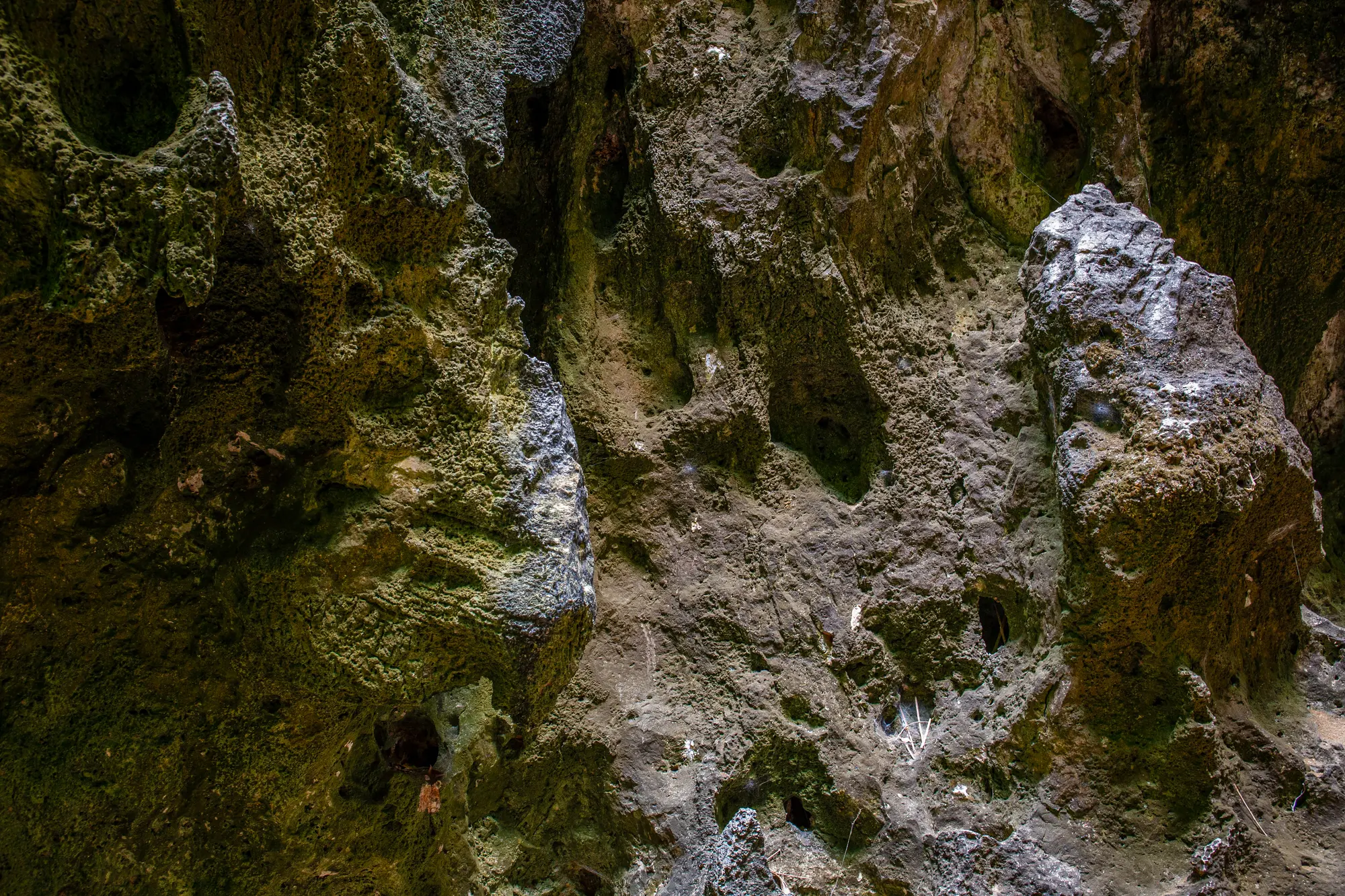
Deer Cave, in Sarawak's Gunung Mulu National Park, is home to millions of wrinkle-lipped bats. Late each afternoon, they begin to leave the cave in great spiralling ribbons, heading out over the forest to feed on insects.
What you'll see
From the observatory near the cave mouth, you'll first notice thin, smoke-like streams against the sky. As the light fades, the streams thicken and twist into shapes as the bats try to avoid the bat hawks hunting them. It can go on for an hour or more.
When to go
The bats usually leave between about 5pm and 6.30pm, and it's often best on a clear evening after a dry day. Heavy rain can delay it or stop it altogether, so we always plan two evenings at the park on our trips.
Why it matters
The bats may eat many tonnes of insects each night, and their droppings feed an entire cave ecosystem of beetles, earwigs and crabs. They're one small piece of what makes Mulu a World Heritage Site.
Tips for watching
- Bring a light raincoat, and don't look straight up with your mouth open.
- Use a wide lens to capture the ribbons against the sky.
- Don't use a flash. It won't help your picture and it disturbs the bats.
- Stay on the boardwalk on the way back, and bring a torch, as it'll be dark.